
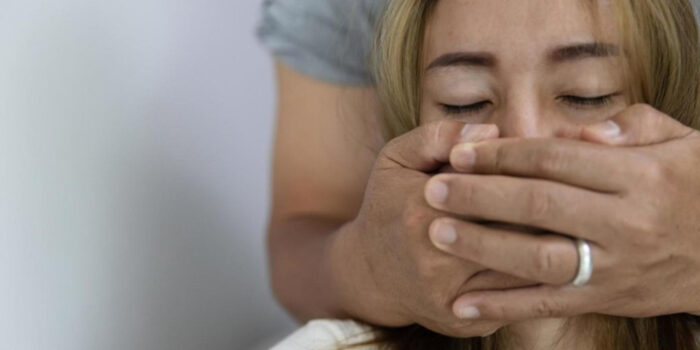
The Harm That Leaves No Bruises
Children living in homes shaped by domestic violence do not need to be hit to be harmed. The damage enters their nervous systems long before they understand what relationships are supposed to look like. It sits in their bodies, their sleep patterns, their emotional reactions, their sense of safety, and the way they learn to love. In homes where shouting, intimidation, slamming doors, and sudden mood swings are normal, children learn to navigate chaos before they learn to ride a bicycle. They develop hypervigilance before they develop hobbies. Their “normal” becomes something the world would call traumatic, and by the time someone finally acknowledges the harm, the child has already adapted to it so deeply that it becomes part of their internal architecture.
Many adults comfort themselves with the belief that “children are resilient.” It’s a convenient phrase, but it often becomes a cover for inaction. Children do not bounce back from domestic violence. They bend, twist, shrink, harden, and shape themselves around it. They reorganise their personality to survive in homes where unpredictability rules. Growing up in violence leaves a mark that does not fade with age. It becomes the blueprint for how they understand safety, affection, conflict, and trust for the rest of their lives.
The Lie That Young Children Don’t Remember
Parents often reassure themselves with the idea that toddlers and infants “won’t remember” the shouting, the tension, or the fear. This belief is comforting but entirely untrue. Children remember in ways that adults do not recognise. It’s not narrative memory, they cannot retell what happened, but their bodies store the stress as emotional and physical patterns. A six-month-old who hears repeated violence becomes a three-year-old who startles easily, a six-year-old who is overly cautious, and a teenager who scans every room for danger before speaking.
Children process domestic violence without language. They absorb the emotional climate, not the details. They understand fear long before they understand words. They read tone, body posture, volume, silence, and tension like survival cues. When a parent raises their voice, a child’s heart rate spikes. When someone slams a door, their nervous system reacts as if a threat is coming. They learn to keep quiet, stay small, or stay out of the way, not because they remember the events, but because the fear has shaped them on a level deeper than memory.
The damage is not erased when the child grows older. It grows with them. It becomes part of their identity, influencing how they respond to conflict, how they choose partners, how they regulate emotions, and how they interpret love. The absence of conscious memory does not protect them. It shields the adults from accountability.
When a Home Turns Into a War Zone
Domestic violence turns ordinary routines into survival missions. Dinner tables become battlegrounds. Bedtime becomes unpredictable. Mornings depend on whether the abuser woke up in a good mood. Children learn to read micro-expressions, tone shifts, and subtle signs of anger with an accuracy adults underestimate. They become experts in watching the abuser’s movements, anticipating the next outburst. They plan where to hide. They memorise safe rooms. They calculate how to intervene without getting hurt themselves. They lose the carefree innocence that childhood is supposed to offer because they spend their emotional energy monitoring the threat.
Some children respond by shrinking, becoming quiet, obedient, overly compliant, or even invisible. They attempt to minimise the chance of triggering harm. Others become hyper-responsible caregivers, stepping into adult roles to protect younger siblings or the non-abusive parent. Their childhood becomes a job. Instead of being nurtured, they become the protectors, managing chaos in a home where adults fail to do so.
Other children cope by acting out. They break rules, fight at school, or become aggressive. Adults see behavioural problems without realising they are watching a child’s trauma spilling into the world. When a child grows up in an unpredictable environment, their nervous system stays alert at all times. They cannot relax. They cannot trust. They cannot breathe freely. They live in a home where love and fear exist in the same room, and eventually, the fear overshadows everything else.
Learning What Love Looks Like
Children learn about relationships by watching the people who raise them. Homes where one parent dominates, controls, or intimidates the other create a distorted map of love. Some children grow up believing that conflict and affection are supposed to coexist. They mistake volatility for passion, control for care, fear for loyalty. This distorted blueprint follows them into adulthood. They are drawn to partners who feel familiar, even if familiar means unsafe.
It is not genetics, it is conditioning. Children who watch a parent being harmed absorb the emotional logic of the home. They learn that love means enduring pain. They learn that silence keeps the peace. They learn that anger must be avoided at all costs. They learn that apologies fix nothing, but forgiveness is expected anyway. These internalised scripts shape their relationships long before they realise they are repeating their parents’ patterns.
Some children who witness violence grow into adults who become controlling or abusive themselves, not because they are destined for it, but because domination was normalised. They learned that the person with the most power sets the tone. They learned that fear gets results. They learned that emotional control is maintained through intimidation. Violence becomes a language, not a choice.
Others become the opposite, overly accommodating, fearful of confrontation, terrified of expressing needs. They apologise excessively. They stay in harmful relationships. They struggle to set boundaries because they never learned how to assert themselves without fearing consequences. The cycle is not inevitable, but it is deeply rooted, and ignoring it allows the damage to continue across generations.
When Children Side With the Abuser
One of the most misunderstood aspects of domestic violence is how children often align with the abusive parent. Outsiders assume children will naturally support the victimised parent, but that is rarely the case. Children are drawn to power. They want to avoid becoming targets. They know that siding with the non-abusive parent offers little protection. Aligning with the abuser feels safer, even when the child is terrified of them.
This dynamic is difficult for the non-abusive parent to accept. It feels like betrayal. It feels like a rejection of their suffering. But it is a survival tactic. Children do not choose the abuser because they admire the violence, they choose the abuser because aligning with power reduces their risk of harm. They learn to praise them, mirror them, entertain them, or agree with them. They create emotional alliances that help them survive unpredictable moods.
Abusers exploit this dynamic by performing for the children. They become fun, charismatic, or overly affectionate when it suits them. They buy gifts, offer privileges, or exaggerate emotional warmth to manipulate the child’s allegiance. This is not love, it is strategy. And the child, desperate for stability, falls into the pattern without realising it.
Homes With Addiction Multiply the Chaos
When domestic violence is paired with addiction, the danger intensifies. Children in these homes learn to expect chaos at any moment. Alcohol-fueled rage, drug-induced paranoia, erratic behaviour, disappearing for days, sudden confrontations, these experiences create emotional instability that leaves deep psychological imprints.
Children internalise the unpredictability. They learn to identify the “substance version” of the abuser and adapt their behaviour accordingly. They grow up bracing for impact, scanning for signs of intoxication, and adjusting themselves to avoid triggering violence. They become emotional first responders to crises they did not create.
The combination of addiction and violence teaches children the most dangerous lesson of all, that unsafe behaviour is normal. Homes driven by intoxication collapse into cycles of apology, reconciliation, relapse, and escalation. Children witness the full arc repeatedly and often carry these chaotic relationship templates into adulthood.
The Trauma That Grows With the Child
Trauma in children does not fade over time, it mutates. It appears differently in each stage of development,
- A child may become clingy at five, anxious at ten, depressed at thirteen, and self-destructive at seventeen.
- Boys may externalise trauma through aggression, girls may internalise it through withdrawal.
- Some children excel in school as a coping strategy, others fall behind academically because they cannot concentrate.
- Some develop perfectionism, others give up entirely.
Trauma shapes the way children see themselves. They may believe they cause the violence, that they deserve the chaos, or that they should have protected the non-abusive parent. These beliefs follow them well into adulthood and influence their self-worth, relationships, and emotional responses.
The long-term impact on mental health is significant. Children who grow up in violent homes have higher risks of anxiety disorders, depression, substance use, self-harm, eating disruptions, attention issues, and difficulty building secure attachments. These outcomes are not destiny, they are the result of living in an environment that never allowed emotional safety to develop.
The Silence That Protects Abusers
One of the most harmful things adults do is deny the reality of domestic violence in the home. They downplay the shouting, ignore the slamming doors, and pretend the tension is normal. They convince themselves that the children do not understand or are not affected. This denial protects the abuser and compounds the harm.
Children see everything. They feel everything. Their instincts are sharper than the adults realise because their survival depends on it. When adults remain silent, children are forced to interpret danger on their own. They become responsible for managing fear without any tools, support, or language to make sense of it.
Silence also teaches children that violence should be hidden. That family image matters more than personal safety. That telling the truth is dangerous. That their emotional experience is not valid. This lesson becomes deeply embedded and shapes how they relate to others long after they leave the abusive home.
Breaking the Cycle
Ending generational violence is possible, but only when society stops pretending that children are unaffected by what they witness. Breaking the cycle does not require perfect parenting or flawless emotional stability. It requires honesty, support, and a willingness to confront difficult truths.
Children benefit enormously when at least one adult acknowledges their reality. When they are told, “What happened to you was wrong.” When they are encouraged to talk about their feelings. When they are allowed to express fear or anger without judgment. Healing begins when someone validates their experience instead of dismissing it.
But healing also requires community support. Schools, healthcare workers, extended family, and social networks all play a role in interrupting the cycle. Children need stable environments where love is not conditional, where conflict does not escalate into chaos, and where emotional safety is prioritised over public appearances.
Most importantly, blaming the non-abusive parent must stop. Victims already carry shame, fear, and emotional exhaustion. They do not need society questioning their decisions or undermining their attempts to protect their children. Breaking the cycle means supporting the victim, not scrutinising them.
Creating a Future That Doesn’t Repeat the Past
Children who grow up in violent homes do not automatically repeat the violence, they repeat what they do not heal. With the right support, awareness, and intervention, they can build relationships based on respect, empathy, and stability. But they cannot do this alone. They need consistent adults, compassionate communities, and a willingness to acknowledge the truth of what they survived.
The question is not whether children remember domestic violence. They do, just not in the way adults wish they would. They remember through their behaviours, their fears, their relationships, and their emotional patterns. They carry the violence in their bodies until someone helps them release it.
Domestic violence does not end when the shouting stops. It ends when the child finally feels safe enough to breathe without fear. That requires more than time. It requires adults who are brave enough to confront what the child lived through, and compassionate enough to help them build a different life.
